Collecting & Living With Art
Integrating art into the home environment has proven beneficial for individual well-being. The psychology of aesthetics emphasizes that visual stimuli and aesthetic experiences are closely linked to emotional and cognitive processes. In this context, the presence of artworks in one’s personal surroundings can have a wide range of positive effects.
The cognitive stimulation that arises from viewing and interpreting artworks can encourage creative thinking. Interpreting abstract art or exploring complex visual elements requires cognitive flexibility and may strengthen neural connections in the brain. This not only supports mental activity, but can also contribute—over the long term—to building cognitive reserves. Equally important is the emotional impact of art. Artworks are capable of evoking a broad spectrum of feelings, ranging from joy and wonder to inner calm and reflection. Thoughtful placement of art that elicits positive emotions can help create a harmonious, low-stress living environment that supports psychological well-being.
In addition, art can serve as a form of expression that makes personal identity and life story visible. The selection of artworks—whether guided by individual taste or by symbolic meaning—allows residents to infuse their living space with profound personal significance. This creates a connection between the physical environment and a person’s self-image, which in turn can strengthen a sense of belonging and enhance well-being.
In summary, integrating art into the home holds multifaceted potential for promoting well-being. From cognitive stimulation and emotional resonance to the reinforcement of personal identity, art can shape a space that is not only aesthetically compelling, but also a rich source of psychological nourishment.
In recent years, an increasing number of academic studies have examined the influence of art on personal well-being. These include, among others, the following:
“The Connection Between Art, Healing, and Public Health” (2008)
Published in the American Journal of Public Health, this study explores the positive effects of art on health and well-being. The authors emphasize the role of art in reducing stress, fostering positive emotions, and improving overall quality of life.
“The Psychological and Physiological Effects of Individualized Music and Art Therapy in Oncology Patients” (2016)
Published in the Journal of Applied Arts & Health, this study investigates the impact of personalized music and art therapy for oncology patients. The findings suggest that such therapies can significantly improve emotional well-being and noticeably reduce stress.
“The Role of Visual Art in Enhancing the Learning Process” (2017)
Published in Educational Research International, this study focuses on the use of visual art in educational contexts. It shows how art can positively influence learning and creative thinking, and points to a connection between artistic engagement and cognitive well-being.
“The Impact of Visual Art on Mental Health” (2019)
Published in Frontiers in Psychology, this study examines the relationship between visual art and mental health. It highlights that art can serve as a form of expression that strengthens emotional resilience and supports psychological well-being.
Key findings from the study “The Impact of Visual Art on Mental Health”:
• Emotional resonance:
Visual art can elicit strong emotional responses and promote positive feelings. When viewing artworks, people often experience joy, fascination, or relaxation—effects that can demonstrably benefit mental health.
• Stress reduction:
Art can function as a means of emotional expression and release. The study shows that viewing visual art may lower stress hormone levels and promote relaxation processes—making it a valuable contribution to stress management.
• Self-expression and identity:
The study underscores the importance of art as an expression of one’s personality. Choosing artworks that resonate with one’s identity and life story can foster a sense of connection and self-understanding, thereby strengthening self-esteem.
• Empowerment and resilience:
Art can serve as a tool for empowerment and for building resilience. Both creative making and engagement with art can help individuals cope more effectively with personal challenges and strengthen psychological resilience.
• Social interaction:
Art creates opportunities for social connection—whether through conversations about artworks, collaborative creative activities, or visiting exhibitions. Such shared experiences promote emotional support and a sense of community.
The study makes clear that visual art can have a profound and multifaceted impact on mental health. From fostering positive emotions and reducing stress to supporting self-expression and resilience, art contributes significantly to creating an environment that strengthens mental well-being.

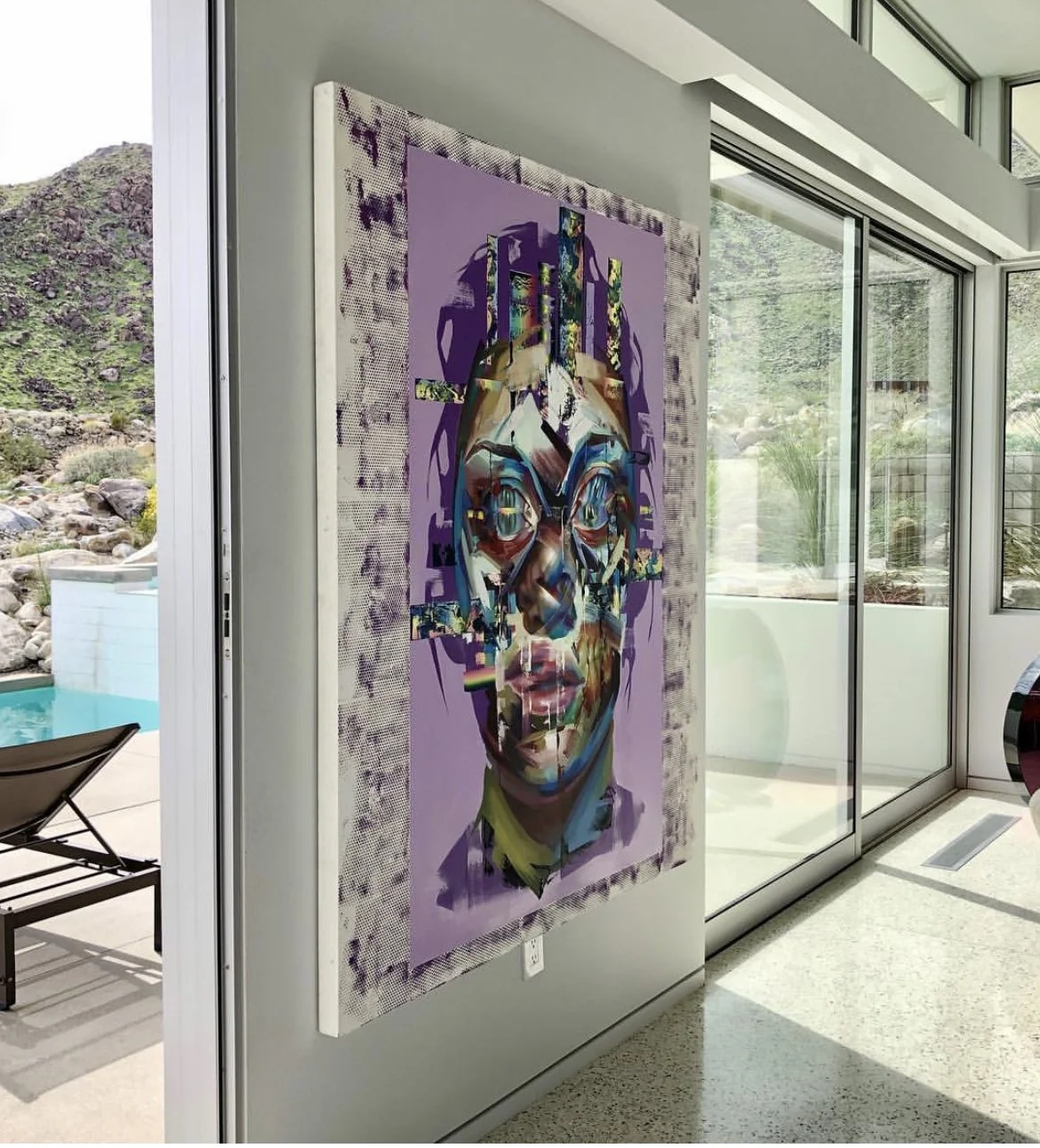
John Millei I Private Art Collection NY

Justin Bower I Private Art Collection GE

John Millei I Private Art Collection F
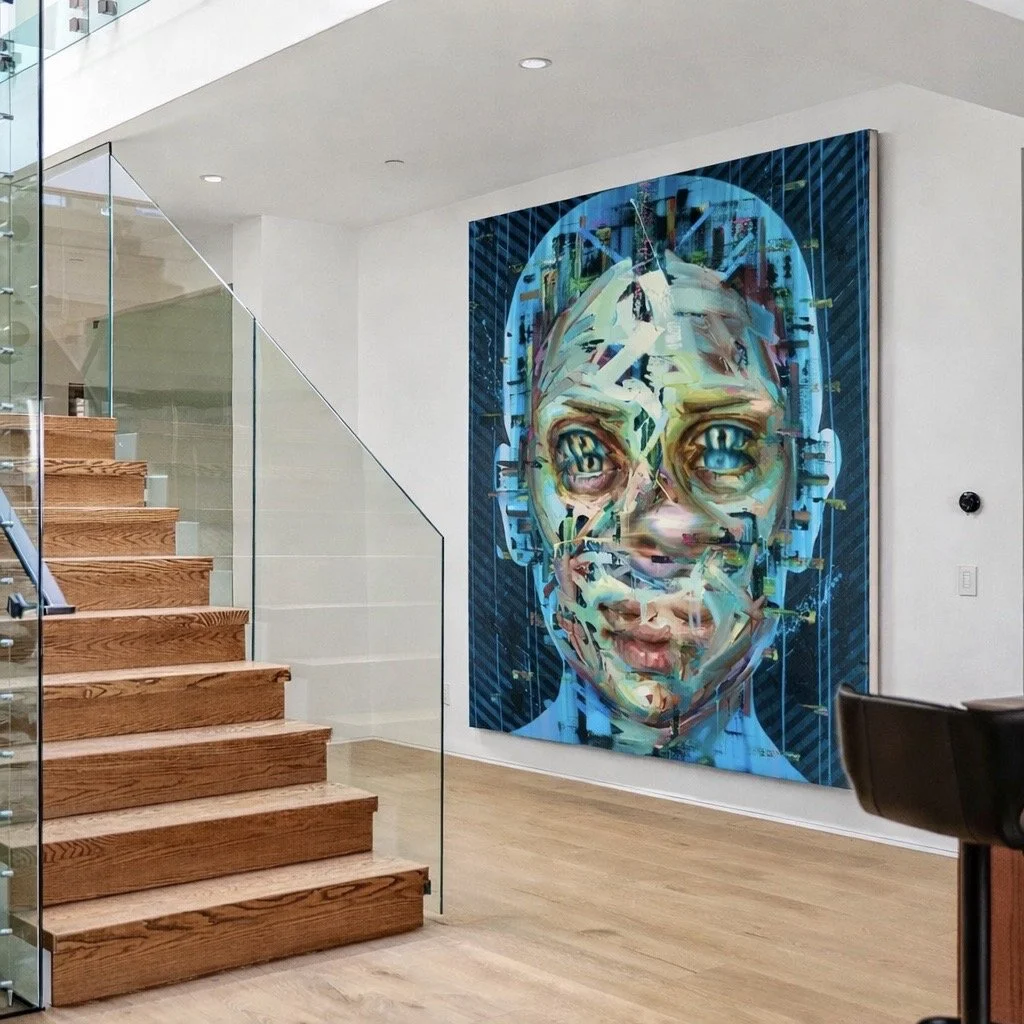
Justin Bower I Private Art Collection MU
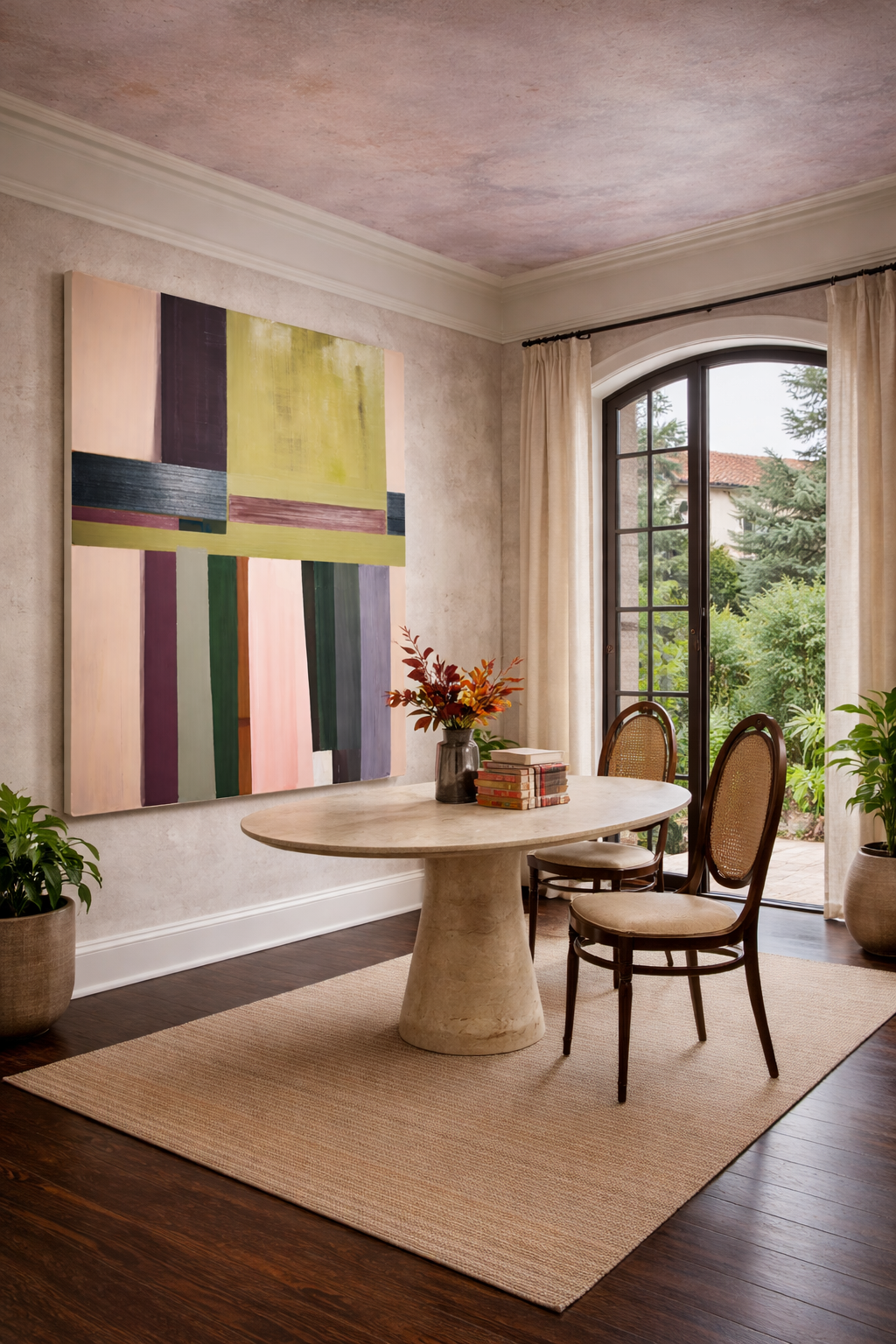
John Millei I Private Art Collection FR

Mike MacKeldey I Private Art Collection Berlin

John Millei I Private Art Collection CA
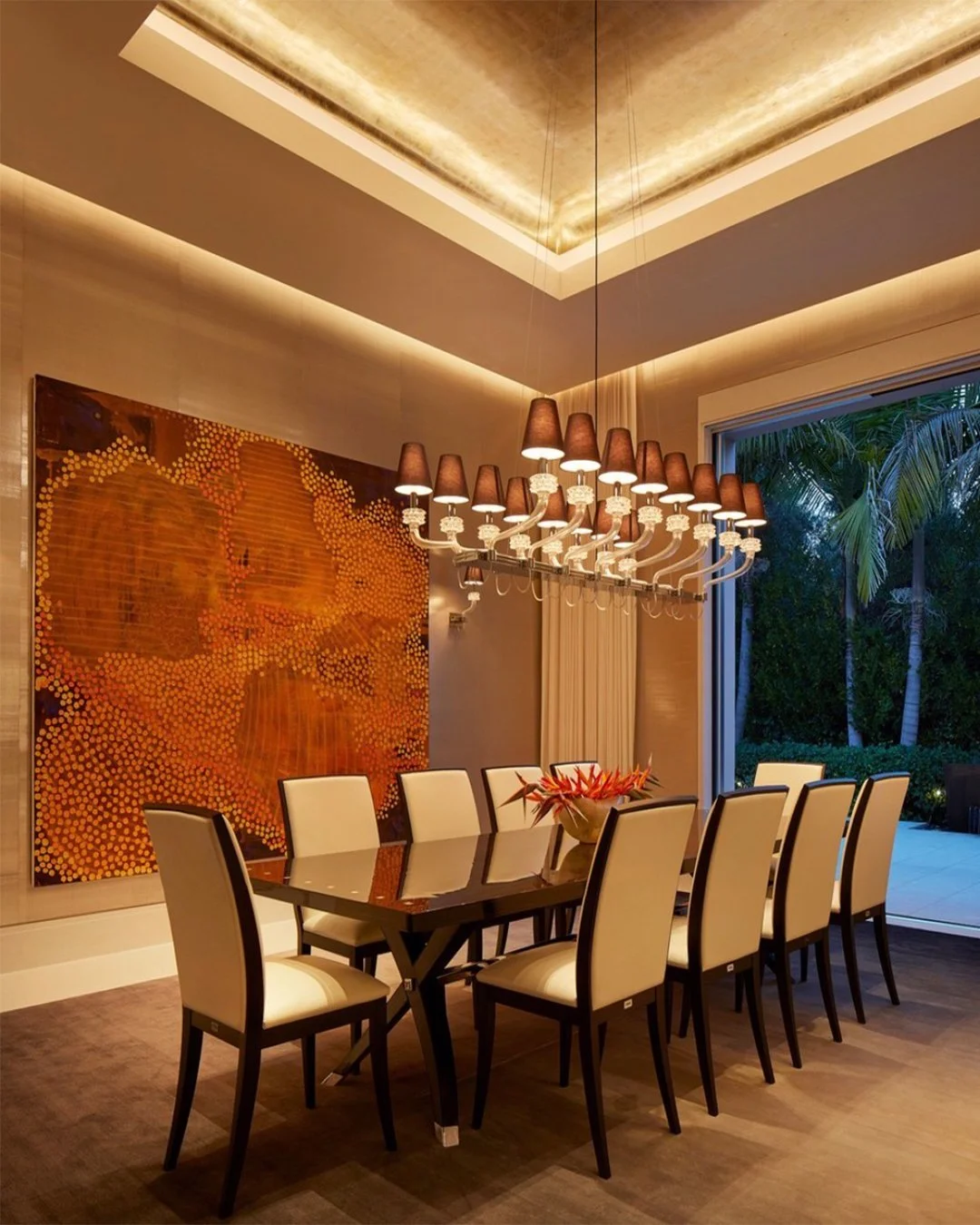
John Millei I Private Art Collection BE

Justin Bower I Private Art Collection LA

Justin Bower I Private Collection CA

John Millei I Private Art Collection CA