Art Collecting & Living With Art
Integrating art into the home environment has proven beneficial for individual well-being. The psychology of aesthetics emphasizes that visual stimuli and aesthetic experiences are closely linked to emotional and cognitive processes. In this context, the presence of artworks in one’s personal surroundings can have a wide range of positive effects.
The cognitive stimulation that arises from viewing and interpreting artworks can encourage creative thinking. Interpreting abstract art or exploring complex visual elements requires cognitive flexibility and may strengthen neural connections in the brain. This not only supports mental activity, but can also contribute—over the long term—to building cognitive reserves. Equally important is the emotional impact of art. Artworks are capable of evoking a broad spectrum of feelings, ranging from joy and wonder to inner calm and reflection. Thoughtful placement of art that elicits positive emotions can help create a harmonious, low-stress living environment that supports psychological well-being.
In addition, art can serve as a form of expression that makes personal identity and life story visible. The selection of artworks—whether guided by individual taste or by symbolic meaning—allows residents to infuse their living space with profound personal significance. This creates a connection between the physical environment and a person’s self-image, which in turn can strengthen a sense of belonging and enhance well-being.
In summary, integrating art into the home holds multifaceted potential for promoting well-being. From cognitive stimulation and emotional resonance to the reinforcement of personal identity, art can shape a space that is not only aesthetically compelling, but also a rich source of psychological nourishment.
In recent years, an increasing number of academic studies have examined the influence of art on personal well-being. These include, among others, the following:
“The Connection Between Art, Healing, and Public Health” (2008)
Published in the American Journal of Public Health, this study explores the positive effects of art on health and well-being. The authors emphasize the role of art in reducing stress, fostering positive emotions, and improving overall quality of life.
“The Psychological and Physiological Effects of Individualized Music and Art Therapy in Oncology Patients” (2016)
Published in the Journal of Applied Arts & Health, this study investigates the impact of personalized music and art therapy for oncology patients. The findings suggest that such therapies can significantly improve emotional well-being and noticeably reduce stress.
“The Role of Visual Art in Enhancing the Learning Process” (2017)
Published in Educational Research International, this study focuses on the use of visual art in educational contexts. It shows how art can positively influence learning and creative thinking, and points to a connection between artistic engagement and cognitive well-being.
“The Impact of Visual Art on Mental Health” (2019)
Published in Frontiers in Psychology, this study examines the relationship between visual art and mental health. It highlights that art can serve as a form of expression that strengthens emotional resilience and supports psychological well-being.
Key findings from the study “The Impact of Visual Art on Mental Health”:
• Emotional resonance:
Visual art can elicit strong emotional responses and promote positive feelings. When viewing artworks, people often experience joy, fascination, or relaxation—effects that can demonstrably benefit mental health.
• Stress reduction:
Art can function as a means of emotional expression and release. The study shows that viewing visual art may lower stress hormone levels and promote relaxation processes—making it a valuable contribution to stress management.
• Self-expression and identity:
The study underscores the importance of art as an expression of one’s personality. Choosing artworks that resonate with one’s identity and life story can foster a sense of connection and self-understanding, thereby strengthening self-esteem.
• Empowerment and resilience:
Art can serve as a tool for empowerment and for building resilience. Both creative making and engagement with art can help individuals cope more effectively with personal challenges and strengthen psychological resilience.
• Social interaction:
Art creates opportunities for social connection—whether through conversations about artworks, collaborative creative activities, or visiting exhibitions. Such shared experiences promote emotional support and a sense of community.
The study makes clear that visual art can have a profound and multifaceted impact on mental health. From fostering positive emotions and reducing stress to supporting self-expression and resilience, art contributes significantly to creating an environment that strengthens mental well-being.
Art,
lived with.
Justin Bower
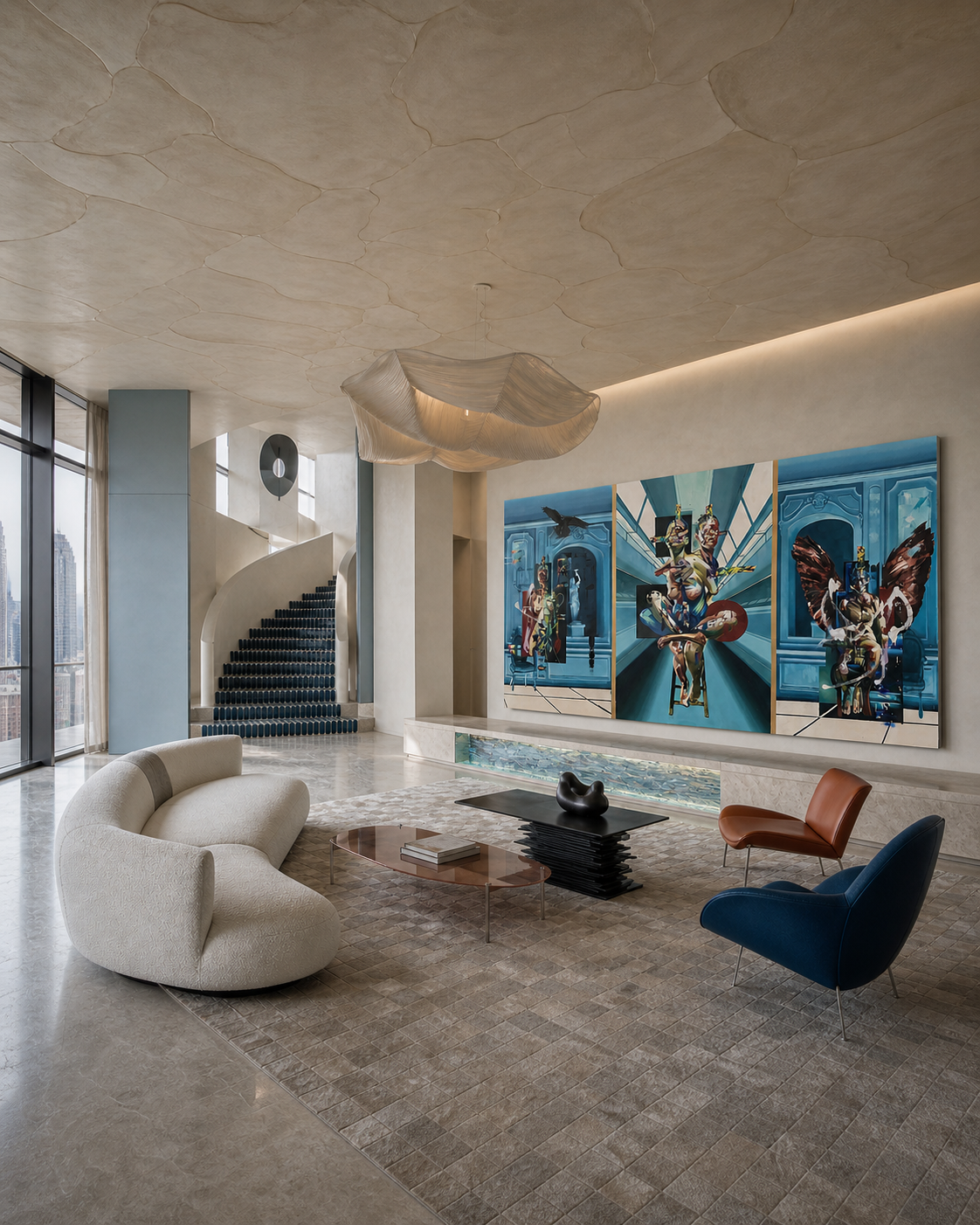
Three Visitations
A private view.
An ongoing dialogue.
A collection takes shape through choices that continue beyond acquisition: the wall a painting occupies, the works placed in conversation, the view encountered each morning. These interiors offer twelve distinct ways of living with paintings by John Millei and Justin Bower.
In the New York space above, Three Visitations establishes a blue horizon against pale, curving architecture. The room gives the painting distance; its densely worked figures reward a closer encounter.
The figure as a companion
Woman in a Chair
On this setting
Millei’s seated figure enters a room already shaped by the gestures of everyday life: a reclined chair, a low table, a place to pause. Brown and ochre connect the painting to the timber and upholstery, while its yellow contours remain insistently independent. This is a placement that allows affinity without requiring the work to disappear into its surroundings.
Symmetry under pressure
Suspended Rapture
On this setting
Two figures organise the painting around a central divide. Below, a long sideboard extends that horizontal order into the room; the fractured bodies and densely worked surface interrupt it. The warm palette meets the leather seating and timber, bringing a restless image into an otherwise measured arrangement.
A conversation across a corner
Wise Bloody Study and 1970
On this setting
The corner separates these two paintings while allowing them to be read together. A seated body and an enlarged head propose different kinds of physical presence; purple and blue distinguish their respective fields. Moving through the room changes which work takes precedence, making the relationship sequential rather than fixed.
Texture meets gesture
Woman in a Chair
On this setting
The woven wall covering introduces a fine, repeated rhythm behind Millei’s broad painted forms. Against that tactile regularity, the figure’s angular construction becomes especially legible. The objects below remain low and dispersed, leaving the painting’s compact network of limbs, chair and colour to carry the composition.
An image on the way through
Blue Spaceboy
On this setting
Beside the staircase, Blue Spaceboy is encountered in motion. Glass and open sightlines allow the painting to remain visible as the viewer changes level, while its saturated blue holds the wall against the warm timber. A space devoted to circulation becomes a sustained encounter with a face.
The architecture of a figure
Man with Hat
On this setting
The painting’s blocks of brown, pink and cream find a quiet counterpart in the room’s table, chair and arched opening. Yet their compressed arrangement offers a different spatial logic: the image folds its subject into a shallow plane. The interior gives those economical divisions room to register.
A drawing that occupies the wall
Woman in a Chair
On this setting
An expansive pale ground gives the dark contours unusual reach above the sofa. The painted figure’s disrupted proportions contrast with the low, continuous seating beneath it. Here, the generous interval around the image makes the act of drawing—its turns, interruptions and changes of weight—the room’s most assertive gesture.
Colour at the gathering point
Flora
On this setting
Flora extends along the dining room wall as a broad, warm field. The table establishes a corresponding horizontal axis, while the suspended light draws attention back toward the centre of the room. The painting can be taken in from several seats, allowing its surface to accompany a shared space without a single privileged viewpoint.
A concentrated encounter
Early Work
On this setting
Set beside the glass-fronted wine cabinet, this early work is given a distinct vertical interval. The adjoining timber and reflective surfaces frame the encounter without duplicating the painting’s visual intensity. Its placement invites a close reading, rather than relying on the distance of a large reception room.
A rhythm beside the window
Surfer Series
On this setting
The broad curves of this painting meet the long line of the dining table and the open expanse of glazing. Its restrained palette lets contour carry the movement. From across the room the image reads as a single sweeping rhythm; nearby, individual turns of the brush return to view.
A face within an open plan
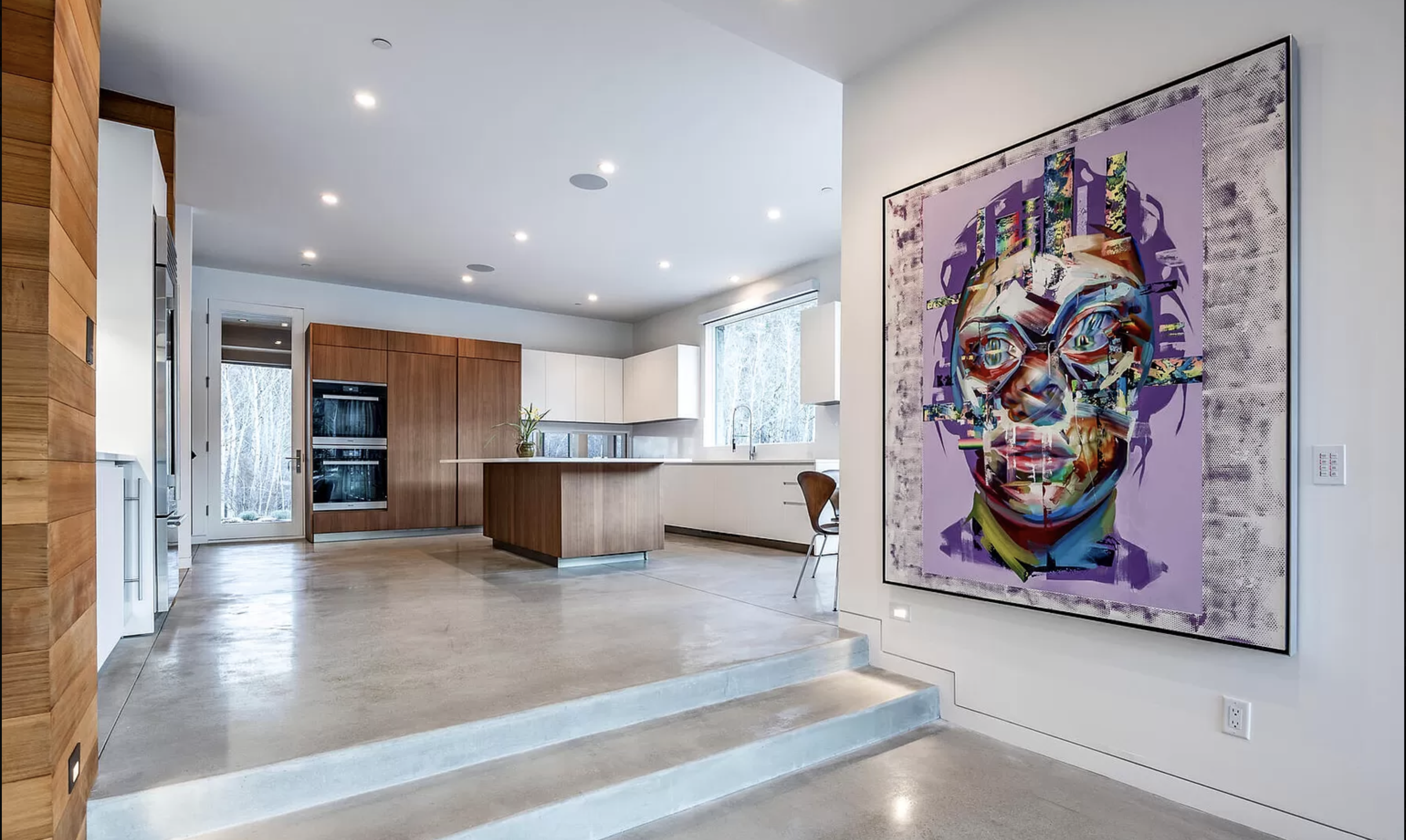
Digital ID
On this setting
Digital ID occupies a tall wall at the edge of an open interior. The surrounding pale surfaces give its fragmented features a distinct visual density. Read from the steps or from the adjoining living area, the portrait becomes a point of orientation within a space whose boundaries otherwise remain fluid.
Beyond the
first encounter.
The questions that shape a collection extend from the work itself to the conditions in which it will be seen and lived with.
Give the work a viewing distance
Dimensions establish the physical footprint; distance changes the experience. A painting with a concentrated surface may reward both a long view and close examination. Consider the route into the room, the places where people pause, and whether furniture allows these different encounters to happen.
Build relationships, not a formula
A collection can find coherence through a recurring question, a tension between materials or a conversation across generations. Colour is one possible connection, but it need not determine the next acquisition. A work that unsettles an existing arrangement may reveal something previously overlooked in the paintings around it.
Look at the room over time
Daylight, artificial lighting and reflections alter how a surface is perceived. Consider these conditions at different hours, alongside the work’s conservation requirements. A placement should allow sustained looking while respecting the particular needs of its materials.
Let close looking inform acquisition
A strong visual response is the beginning of an informed decision. The work’s place within the artist’s practice, its provenance, condition and accompanying documentation give that response context. Discussing these points alongside the intended setting makes the conversation specific to the painting and the collection.
What comes next
in your collection?
Whether you are considering a first acquisition or a new direction within an established collection, the conversation begins with your interests. Discuss a particular work, explore the practices of John Millei and Justin Bower, or ask about the paintings currently available through the gallery.
Speak with the gallery
Justin Bower — Three Visitations, New York City

John Millei — Woman in a Chair, New York
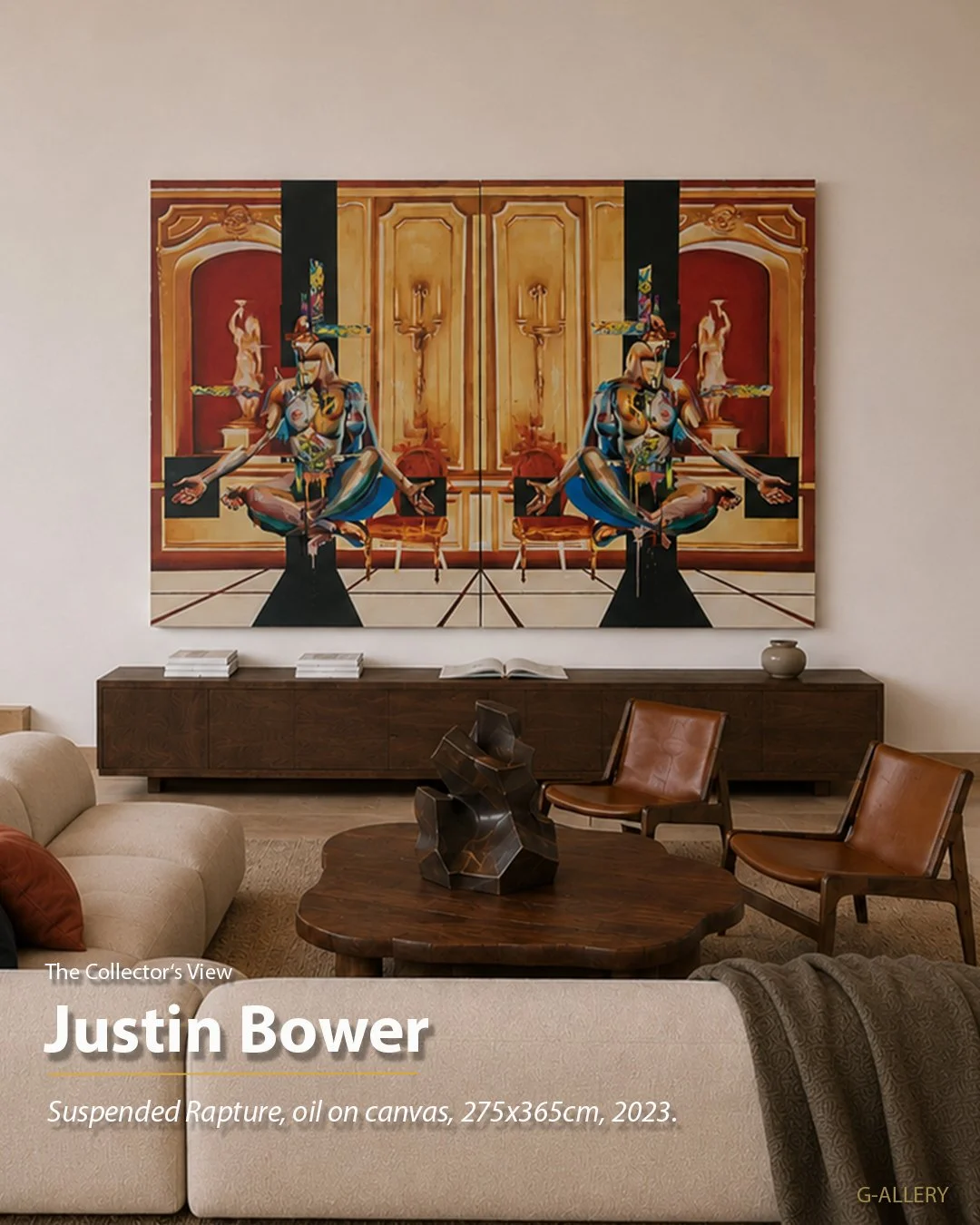
Justin Bower — Suspended Rapture, Los Angeles

Justin Bower — Wise Bloody Study and 1970, Berlin
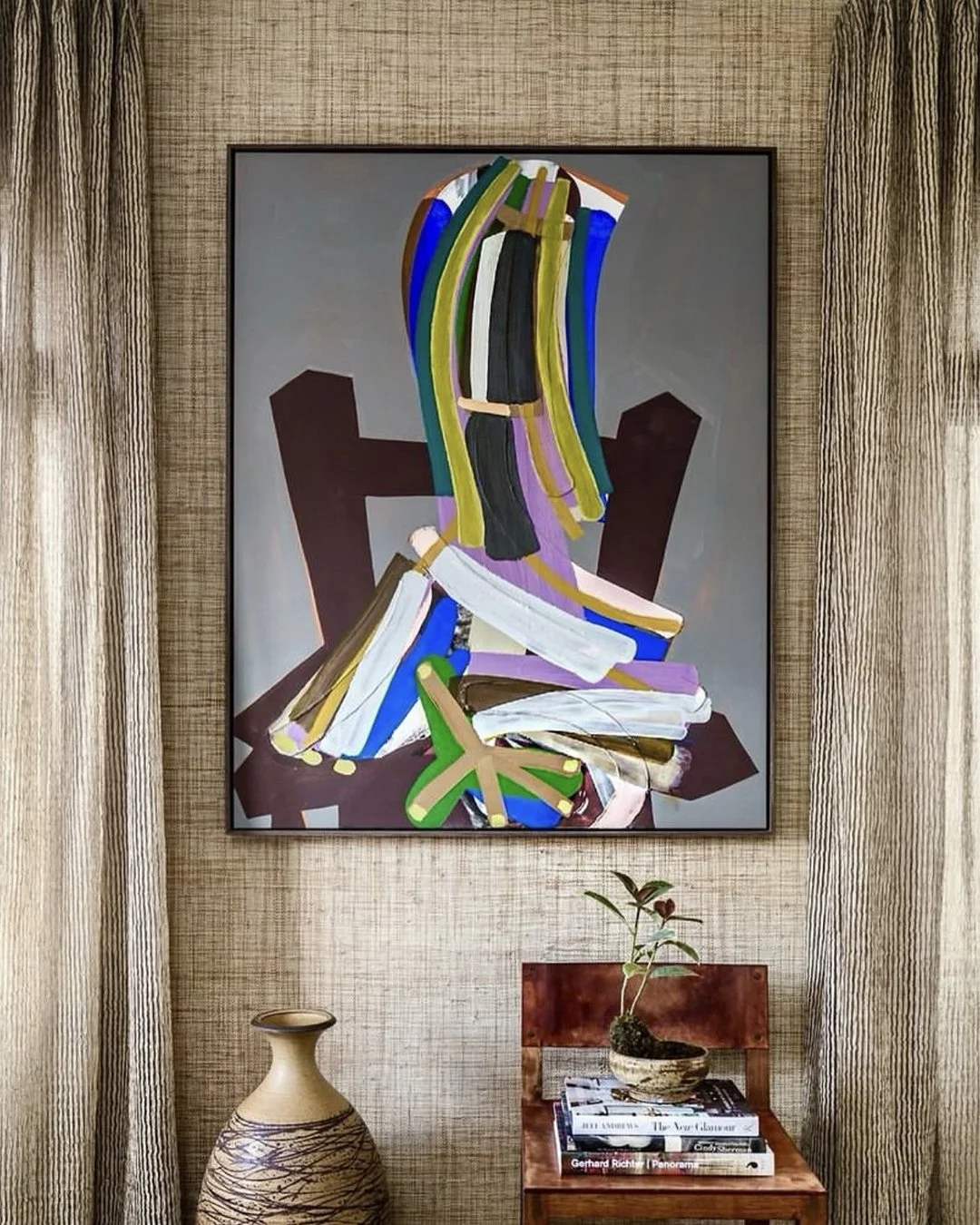
John Millei — Woman in a Chair, France
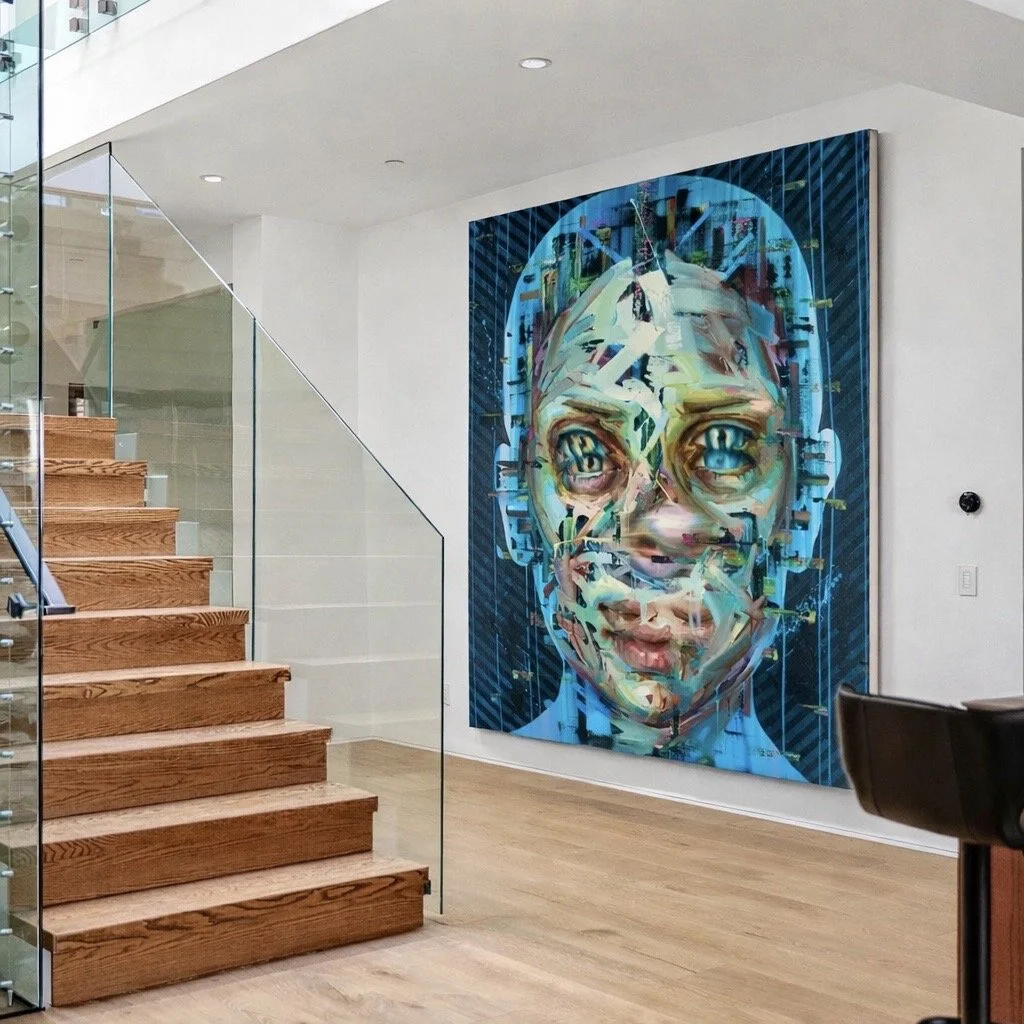
Justin Bower — Blue Spaceboy
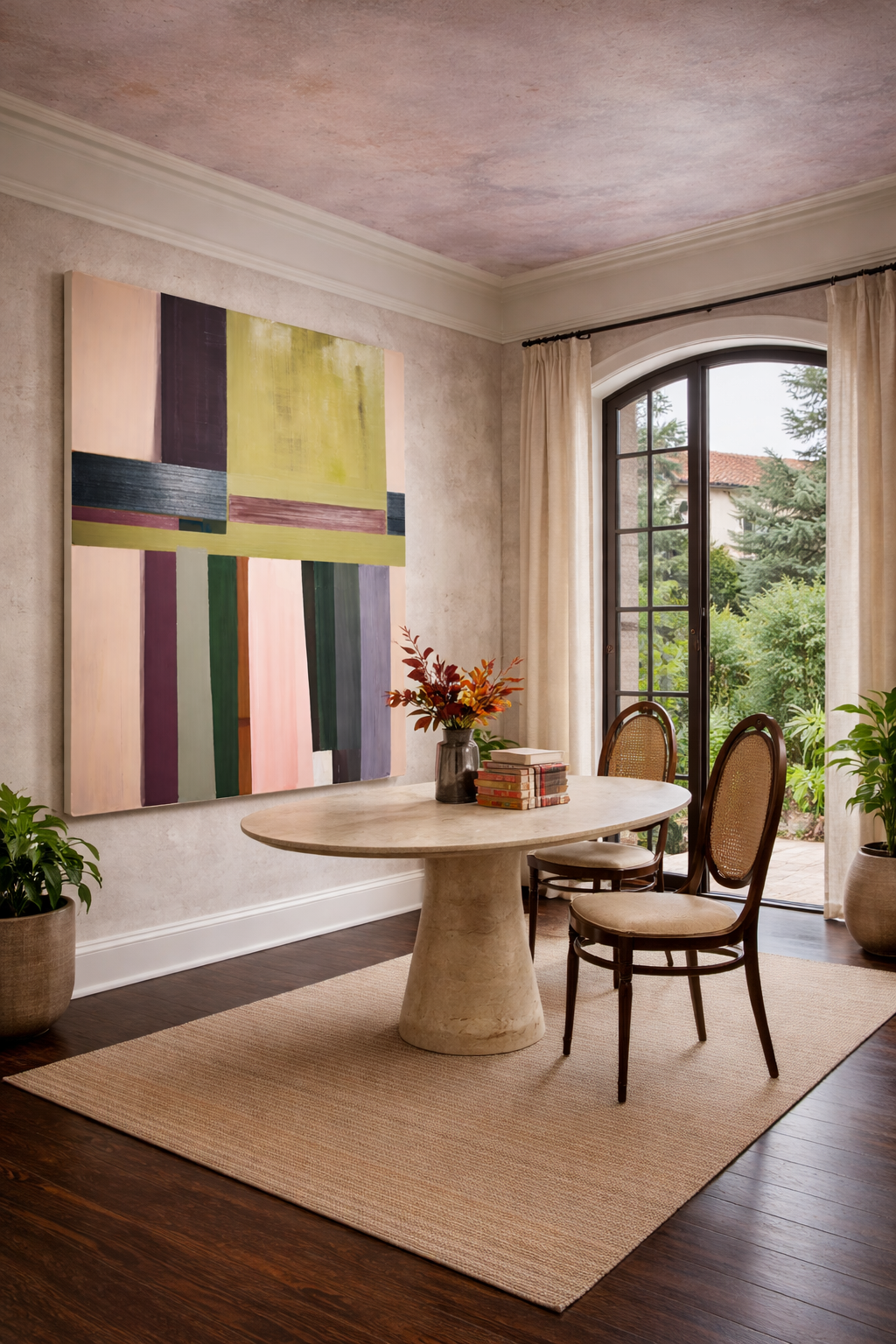
John Millei — Man with Hat, France
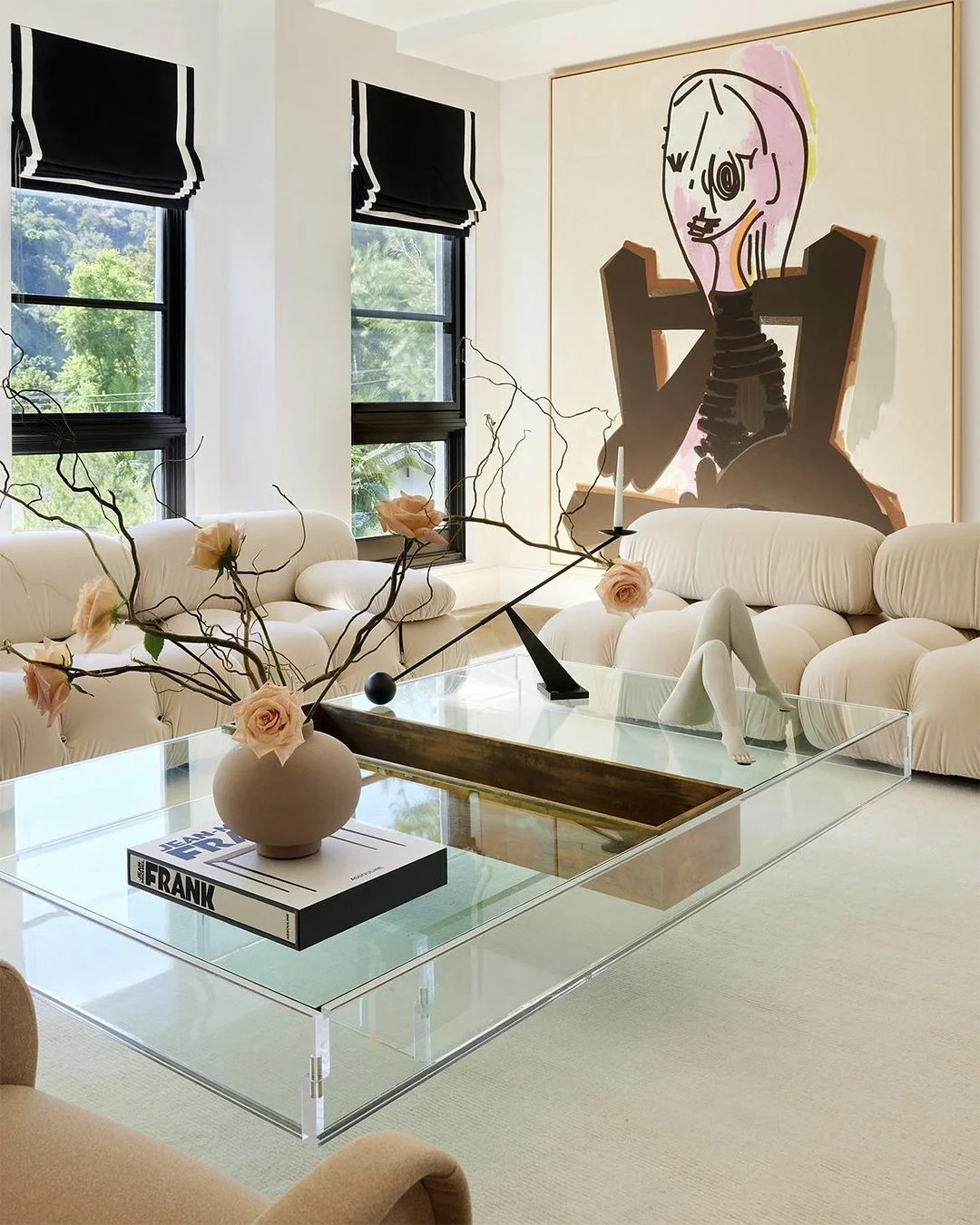
John Millei — Woman in a Chair, Los Angeles
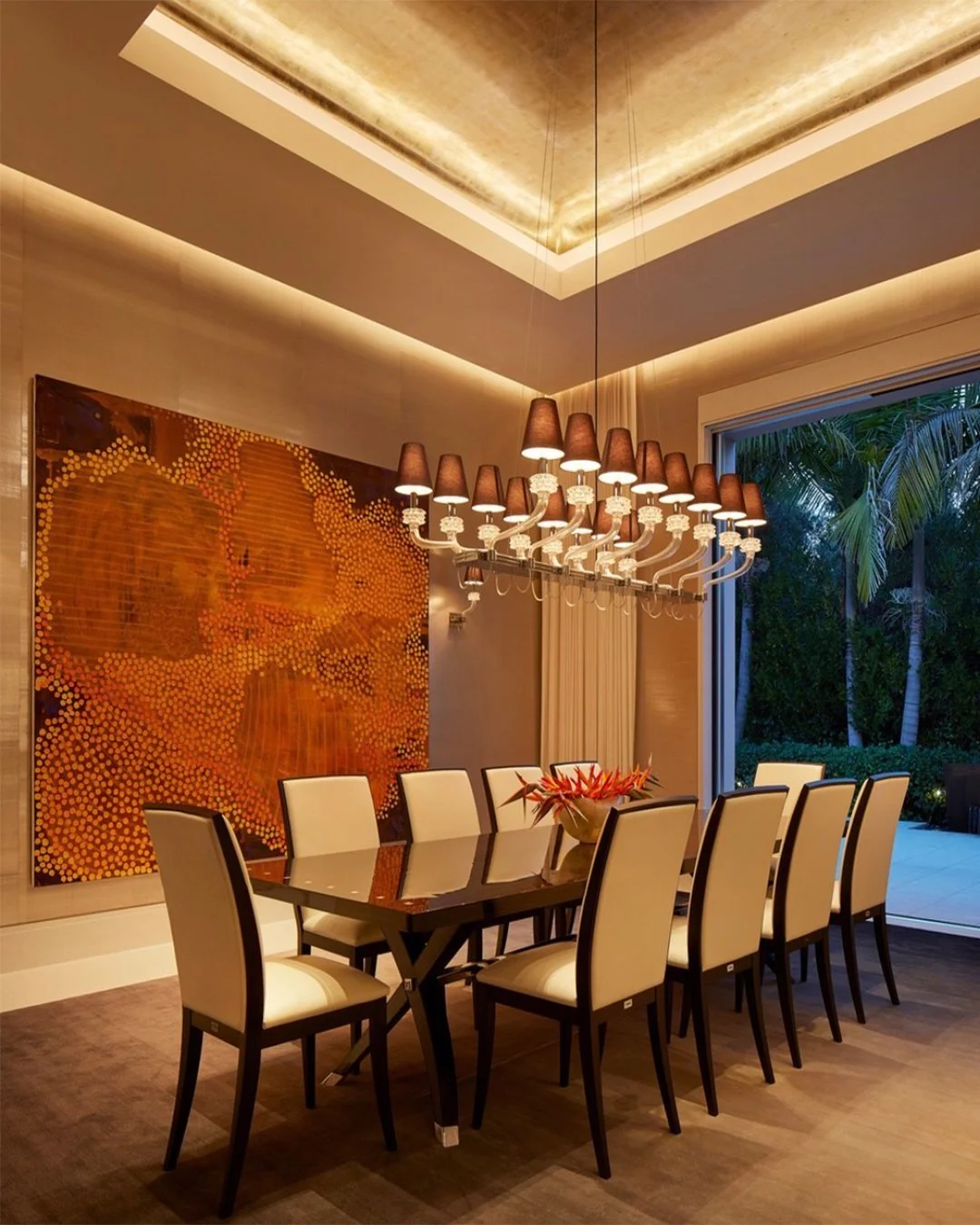
John Millei — Flora, Beverly Hills
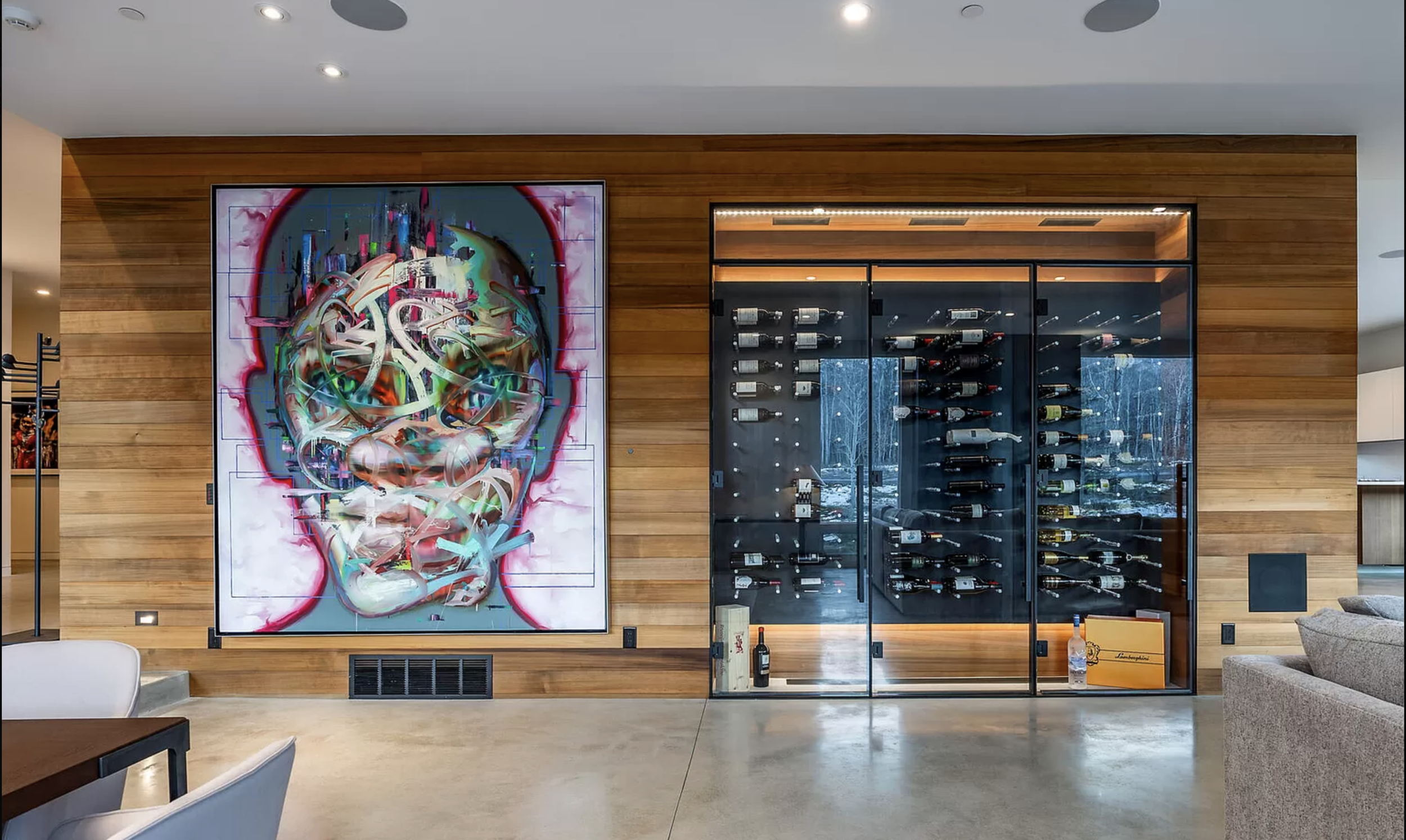
Justin Bower — Early Work, California

John Millei — Surfer Series, California