John Millei
Exclusively represented by G-ALLERY
Works by John Millei are available through G-ALLERY by private inquiry.
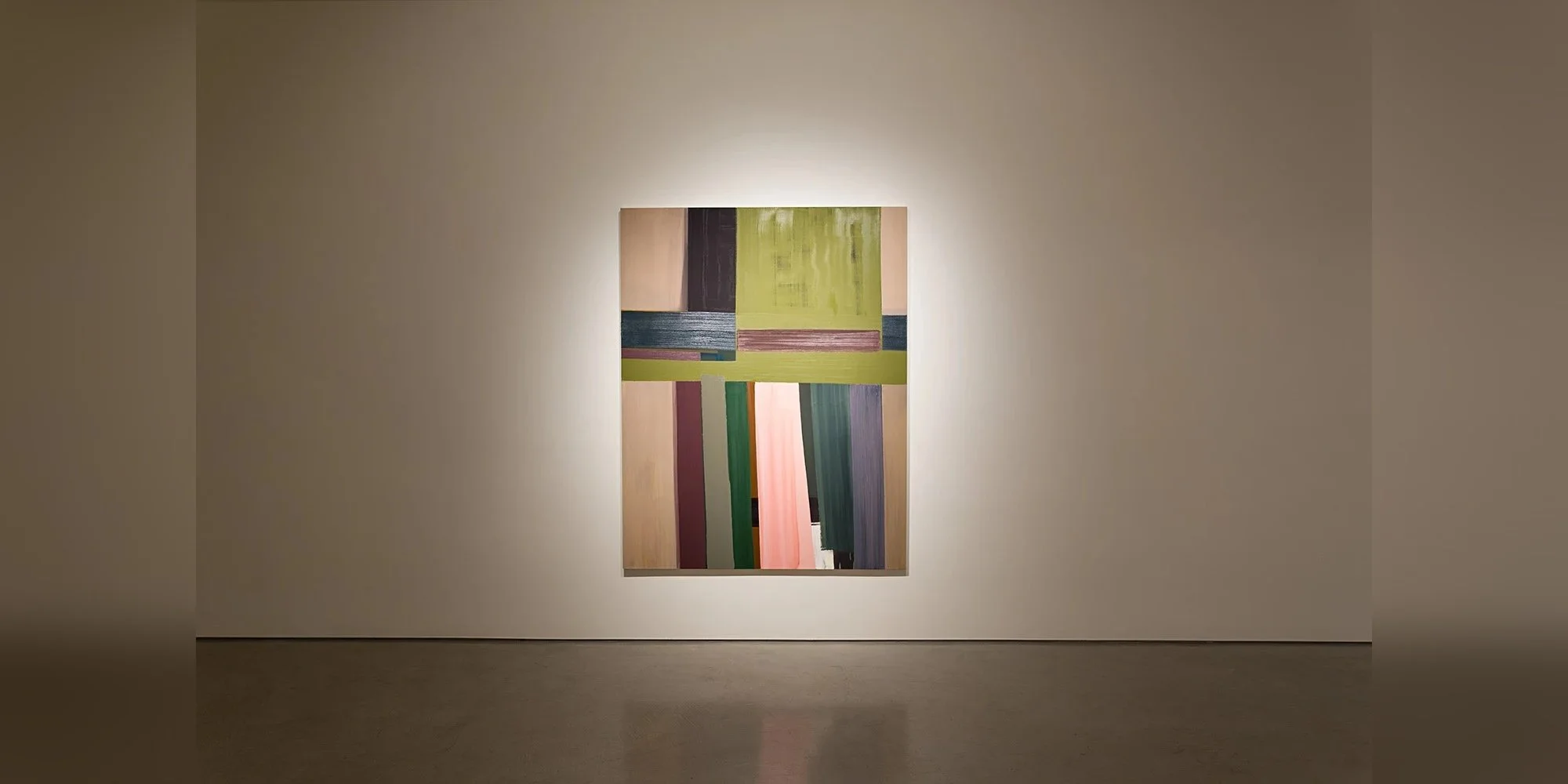
John Millei (*1958, Los Angeles) is a leading figure in contemporary painting, represented by G-ALLERY Berlin, whose work has played a significant role in shaping the trajectory of postwar and contemporary abstraction on the American West Coast. Based in Los Angeles, Millei is widely recognized as a key representative of the generation that redefined painting in California from the late 1970s onward, moving beyond the perceptual aesthetics of the Light and Space movement toward a more expressive, materially engaged, and conceptually open form of abstraction.
His works have been presented in numerous museum exhibitions and are held in major international collections, including the Centre Pompidou (Paris), the Los Angeles County Museum of Art (LACMA), and Museo Jumex (Mexico City). Millei has exhibited alongside influential figures such as Helen Frankenthaler, Hans Hofmann, and Ernst Wilhelm Nay, situating his practice within a broader lineage of twentieth- and twenty-first-century abstraction. In parallel to his artistic practice, he has taught at institutions including the Claremont Graduate University and the Southern California Institute of Architecture, contributing to the intellectual discourse surrounding contemporary painting.
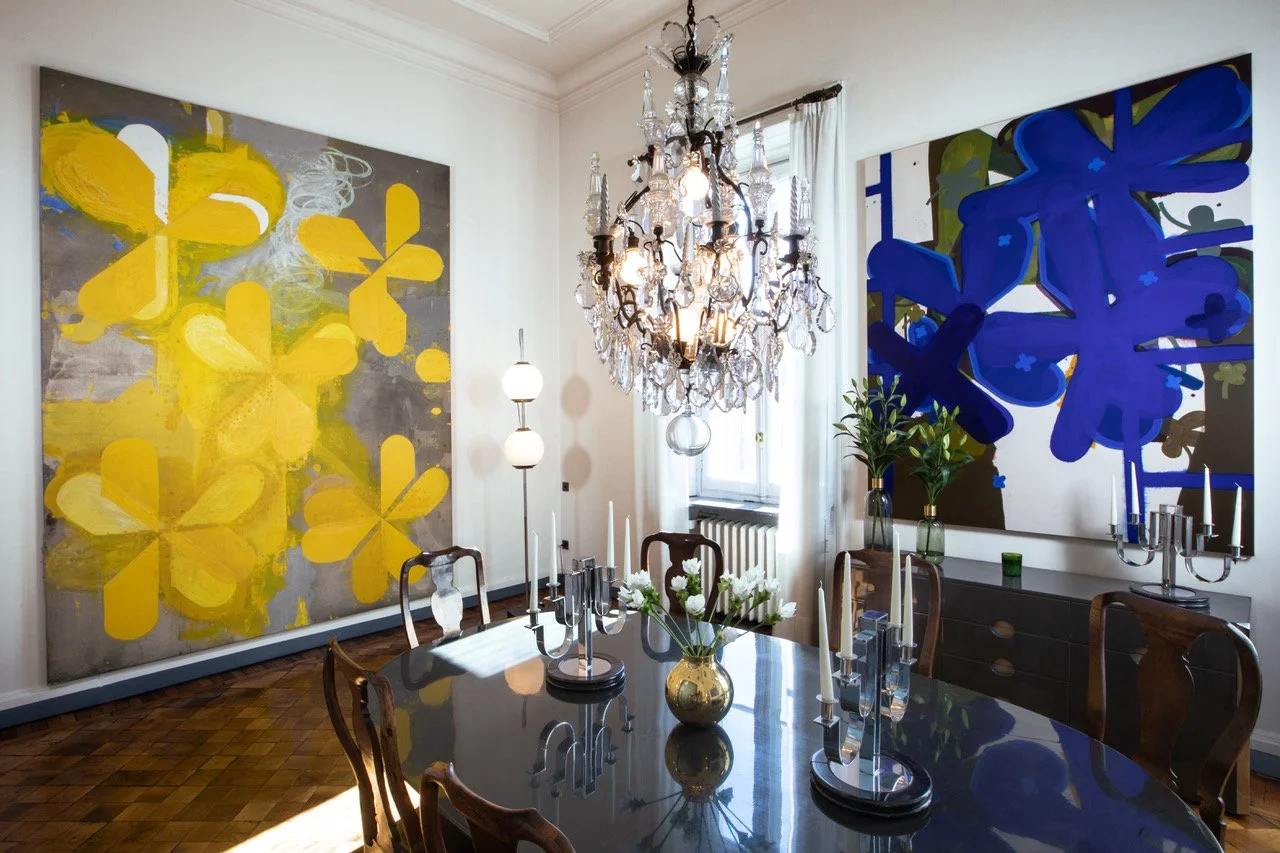
Millei began his career in the late 1970s as an assistant to Richard Diebenkorn, placing him in direct proximity to one of the most important figures of postwar American painting. His early influences include Jasper Johns’ iconic “0 through 9” series and the psychologically charged abstraction of John Altoon—references that continue to inform his approach to structure, repetition, and painterly language.Emerging alongside artists such as Lari Pittman and Roger Herman, and in dialogue with later figures including Mary Weatherford, Mark Bradford, and Laura Owens, Millei belongs to a generation that reintroduced complexity, narrative ambiguity, and painterly freedom into the Los Angeles art scene. Their work occupies a charged territory between figuration and abstraction, between cultural reference and formal invention. During the 1990s, Millei exhibited at Ace Gallery in Los Angeles, a gallery that played a pivotal role in the international dissemination of contemporary art, presenting artists such as Andy Warhol, Robert Rauschenberg, Sol LeWitt, and Donald Judd. This context positioned Millei within a lineage of artists redefining the possibilities of painting at the end of the twentieth century. At the core of Millei’s practice lies an expansive and highly sophisticated visual vocabulary. His work draws on motifs deeply embedded in art history—seascapes, floral compositions, and canonical figures such as Pablo Picasso’s portrait of Dora Maar or Paul Cézanne’s bathers—yet these elements function not as citations, but as points of departure. Millei approaches these references with a sense of play, fragmentation, and transformation, dissolving their original meaning and reconstructing them within a distinctly contemporary painterly language.
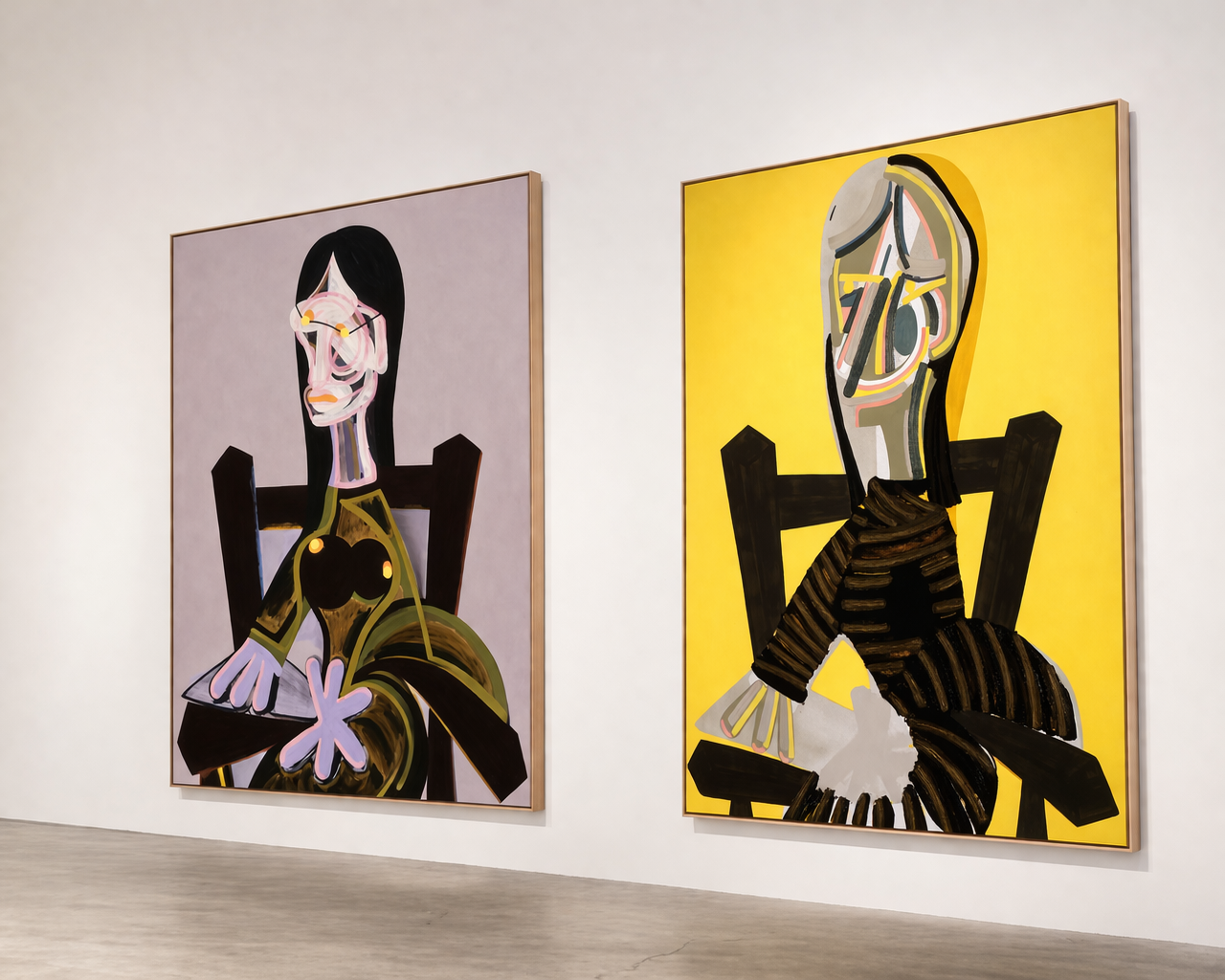
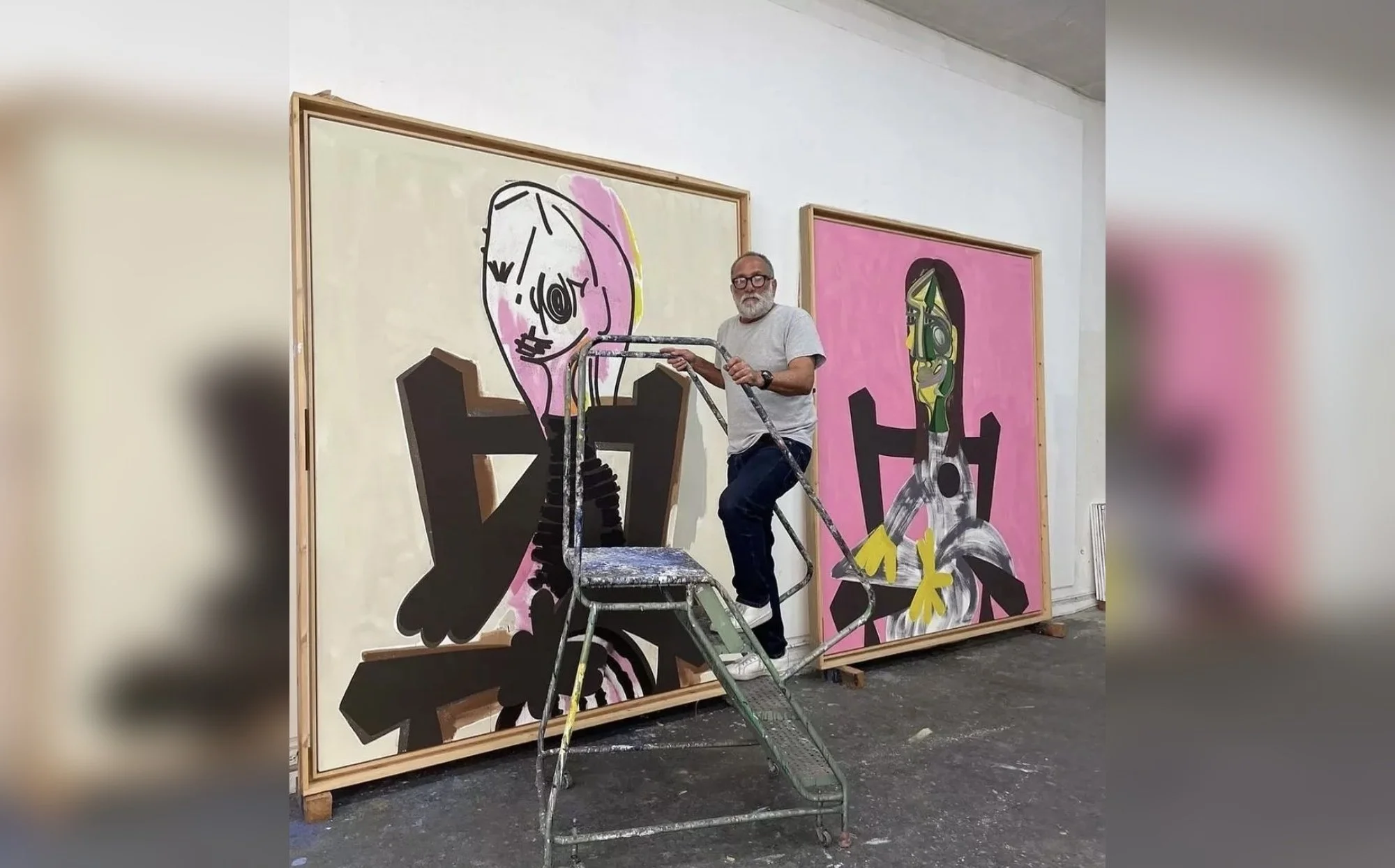
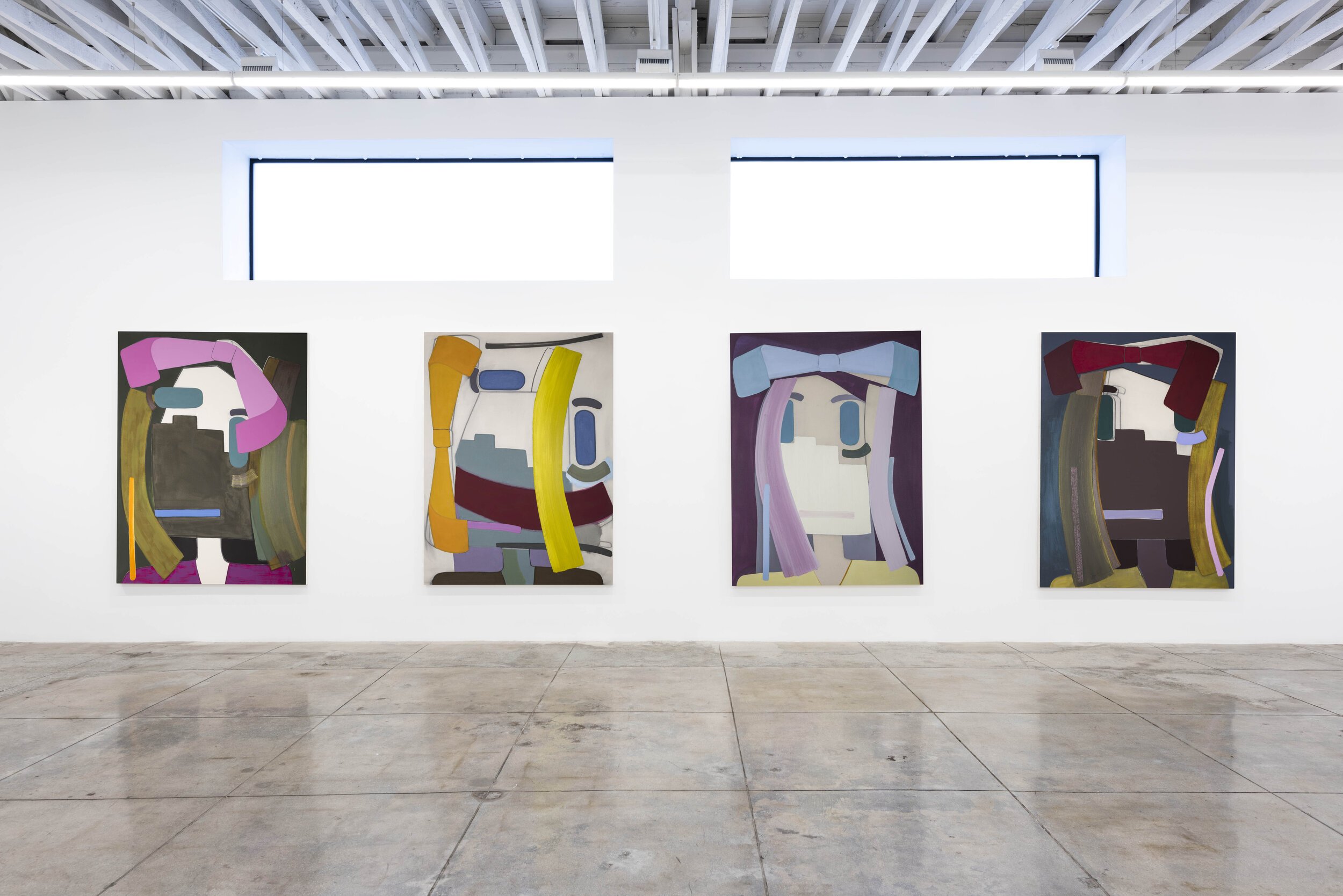
In the series Woman in a Chair, Millei engages with Picasso’s Portrait de Dora Maar (1937), not as an act of homage, but as a framework for reinvention. Through shifts in scale, color, and compositional structure, he stretches and destabilizes the original image, allowing it to oscillate between recognition and abstraction. The result is a body of work that reflects both an acute awareness of art history and a sustained commitment to expanding the possibilities of painting. Millei’s relationship to the past is neither referential nor nostalgic; it is generative. His paintings transform familiar visual territories into new, uncharted fields of abstraction, where meaning remains open, fluid, and contingent upon the act of viewing. As critic Donald Kuspit has noted, Millei’s work restores “art’s existential mystery,” positioning painting as a site of ongoing inquiry rather than fixed interpretation.
John Millei has been presented in multiple exhibitions at G-ALLERY Berlin, where he is represented. Within the context of contemporary art, his work stands as a compelling synthesis of historical awareness and painterly innovation. His paintings continue to resonate strongly with collectors and institutions interested in contemporary painting, postwar abstraction, and the evolving dialogue between figuration and abstraction in the twenty-first century.
John Millei — Biography and Selected CV
Bio
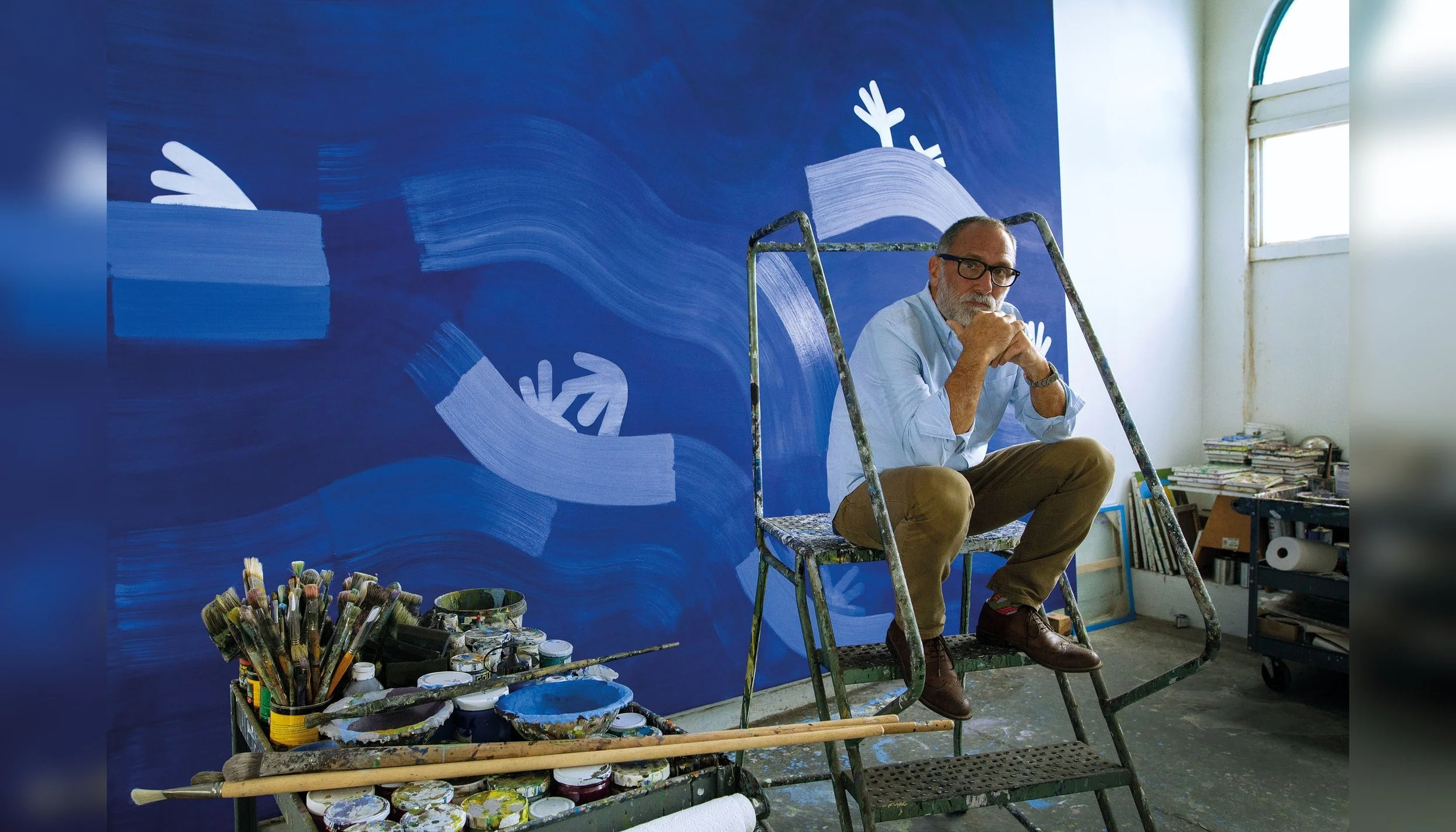
John Millei (born 1958, Los Angeles) is a California-based painter. In the late 1970s he worked as an assistant to Richard Diebenkorn. Millei taught painting at Claremont Graduate University and served as Professor of Fine Art at ArtCenter College of Design, Pasadena.
Selected Solo Exhibitions (since 2010)
- 2026 Berlin, G-ALLERY, Feelings Are Like Water
- 2025 Berlin, G-ALLERY, Woman in a Chair ’25
- 2024 San Diego / Bread & Salt (ONE / Best Practice, in collaboration with Quint Gallery), The Reader / One Night in San Diego
- 2020 Los Angeles, Lowell Ryan Projects, This & That
- 2020 Milan, Carl Kostyál, John Millei (10.09.2020 – 13.11.2020)
- 2018 Miami, Fredric Snitzer Gallery, Interrogations (Oct 25 – Nov 24, 2018)
- 2018 Paris, galeriepcp, Something Almost Imperceptible (16.03.2018 – 18.05.2018)
- 2017 Mill Valley, George Lawson Gallery, From the same hill
- 2014 Mill Valley, George Lawson Gallery, Selected Paintings
- 2013 La Jolla, Quint Gallery, Anthropomorphic Abstraction
- 2012 Los Angeles, ACE Gallery, Woman in a Chair
Note: This is a curated selection focused on verifiable solo presentations and key institutional highlights since 2010.
Selected Group Exhibitions (since 2010)
- 2025 Berlin, G-ALLERY, Curated For Summer
- 2021 Los Angeles, Nino Mier Gallery, Rewilding
- 2021 Los Angeles, Circus Gallery, Figuration
- 2021 Berlin, G-ALLERY, Disrupted Realism
- 2020 Beverly Hills / Los Angeles, UTA Artist Space, Every Day Is Sunday (online)
- 2016 Los Angeles, Michael Lett Gallery, Human Condition
- 2014 Moscow, Gallery A3, Ellipse
- 2012 La Jolla, Quint Gallery, Summer Salon Series
Selected Museum Exhibitions
- 2019 Carnegie Art Museum (Oxnard), Recent and Seldom Seen (June 2019)
- 2011 Santa Barbara Museum of Art, Anish Kapoor: Turning the World Inside Out / Selected Abstraction, 1940s–90s
Selected Catalogues / Bibliography
- — The Ends of Paintings: The Edges of Abstractions, Shoshana Wayne Gallery, Santa Monica
- — Four Abstract Painters, Claremont Colleges, California
- — The Spirit of Our Time, Contemporary Art Council, Santa Barbara
- — Physical Abstraction, ACE Gallery, Los Angeles
- — After Abstraction, ArtCenter College of Design, Pasadena, California
- — Small Works National, Zanel Gallery, Rochester, New York
Selected Collections
- — Berkeley Art Museum & Pacific Film Archive, California, USA
- — Centre Pompidou, Paris, France
- — Dib Bangkok Museum, Bangkok, Thailand
- — Frederick R. Weisman Museum, Los Angeles, USA
- — Los Angeles County Museum of Art (LACMA), Los Angeles, USA
- — Colección Jumex, Mexico
- — Legion of Honor / Fine Arts Museums of San Francisco (Achenbach Foundation), San Francisco, USA
- — Nasher Collection / Nasher Sculpture Center, Dallas, USA