
Living With Art


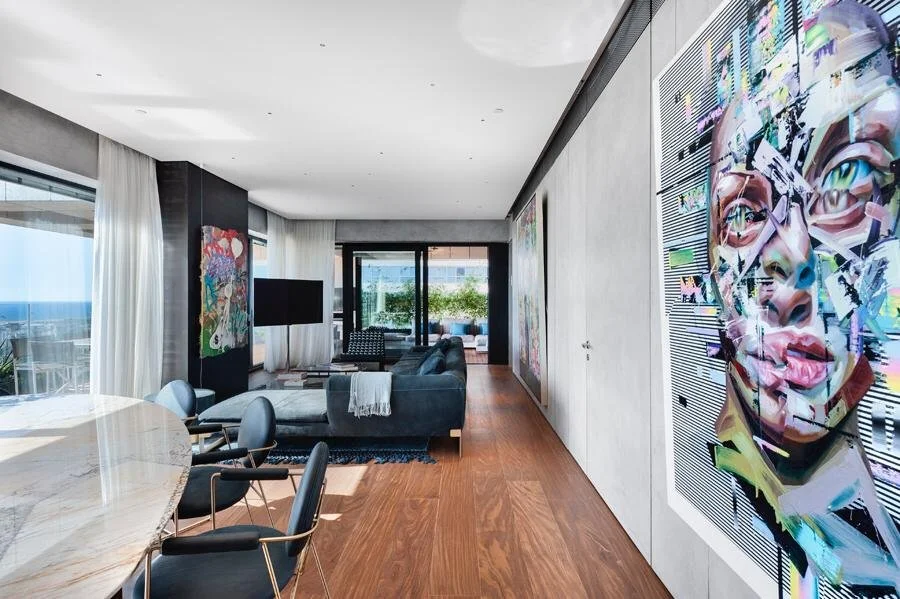


The integration of art into the domestic environment has demonstrably a significant impact on individual well-being. The psychology of aesthetics emphasises that visual stimuli and aesthetic experiences have a direct connection to emotional and cognitive processes. In this context, the presence of artworks within one’s own four walls can yield a range of positive outcomes.
The cognitive stimulation triggered by viewing and analysing artworks can lead to improved creative thinking processes. Interpreting abstract art or deciphering complex visual elements requires a certain degree of cognitive flexibility and can promote neural connections in the brain. This not only contributes to mental stimulation, but can also build cognitive reserve in the long term.
The emotional resonance that art can evoke is also significant. Artworks can elicit a broad spectrum of emotions, from joy and fascination to calm and contemplation. The deliberate placement of artworks that evoke positive emotions can help create a harmonious and low-stress space that supports psychological well-being.
Furthermore, art can serve as a form of expression to emphasise personal identity and history. The selection of artworks—whether based on personal preferences or on meanings associated with them—enables residents to fill their spaces with deep personal significance. This creates a connection between the living space and the individual self-concept, which in turn can promote a sense of belonging and well-being.
Overall, it can be concluded that integrating art into one’s own four walls offers a multidimensional potential to enhance well-being. From cognitive stimulation to emotional resonance to the strengthening of self-identity—art can create a space that is not only aesthetically appealing, but also represents a rich source of psychological well-being.
In fact, there is a wide range of scientific studies that examine the effects of art on personal well-being (“The Connection Between Art, Healing, and Public Health” (2008), “The Role of Visual Art in Enhancing the Learning Process” (2017), “The Impact of Visual Art on Mental Health” (2019), etc.)
The study entitled “The Impact of Visual Art on Mental Health,” published in 2019 in “Frontiers in Psychology,” emphasises the significant connection between visual art and mental health. The study highlights that the consumption of and interaction with visual art can have positive effects on mental well-being.
Some of the study’s key findings are:
Emotional resonance: Visual art can trigger strong emotional resonances and thus has the ability to promote positive emotions. Viewing artworks can evoke feelings of joy, fascination, and relaxation, which in turn can have a positive effect on mental health.
Stress reduction: Art can serve as a form of emotional relief. The study shows that viewing artworks can reduce stress hormones and contribute to relaxation. As a result, art can be a strategy for coping with stress.
Self-expression and identity: The study emphasises the role of art as a means of self-expression. Selecting artworks that resonate with one’s own identity and life story can foster a sense of connection and self-understanding, which in turn strengthens self-esteem.
Empowerment and resilience: Art can serve as a tool to promote empowerment and resilience. The ability to create or interpret art can help people cope with their own challenges and strengthen their psychological resilience.
Social interaction: Art can promote social interactions, whether through discussions about artworks, creating together, or visiting art exhibitions. These social activities contribute to emotional support and a sense of community.
In summary, the study underscores that visual art can have a profound and multifaceted impact on mental health. From generating positive emotions and reducing stress to fostering self-expression and resilience, art contributes to creating a supportive environment for mental well-being.